
Three Ways to Use Drone Footage at Your Next Corporate Event
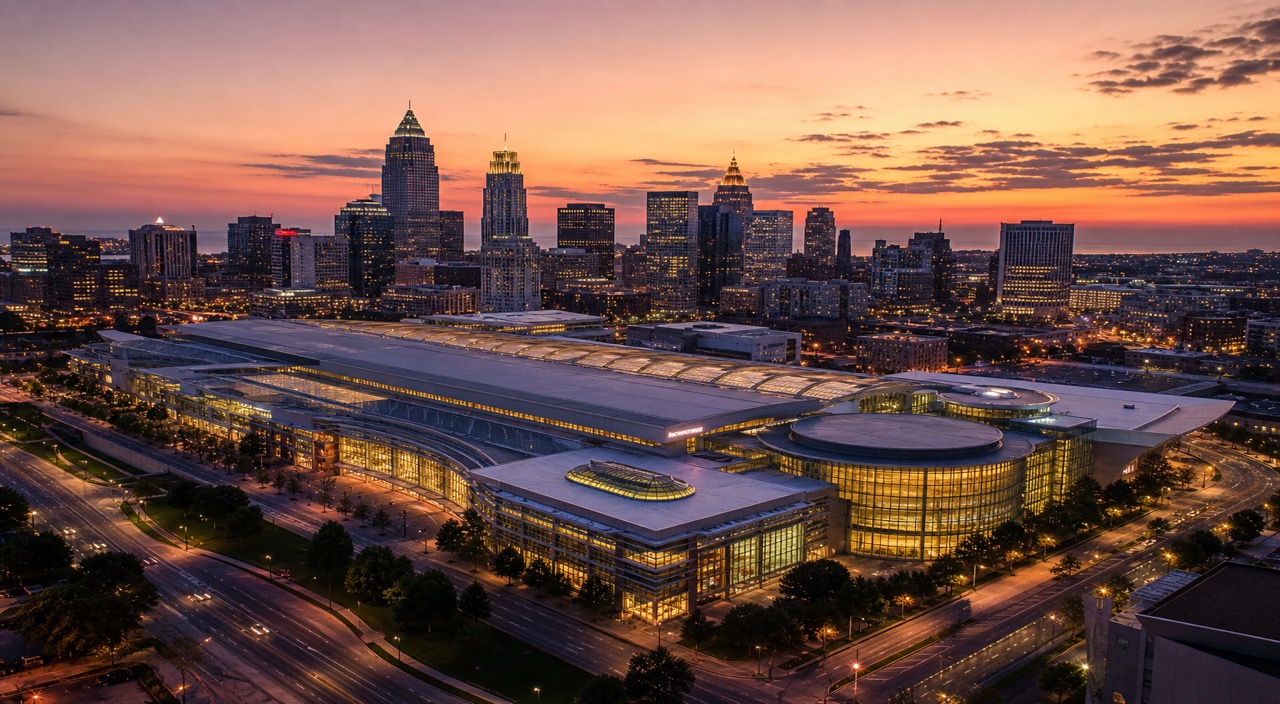
Drone footage at corporate events used to feel like a flex. In 2025 it's expected — and used badly, it's just a flyover that adds nothing to the edit. Used well, aerial coverage does real narrative work: it sets scale, captures energy, and showcases the brand environment your team spent six months designing.
Here are three ways we use drone footage on every corporate event we cover, plus the logistics that decide whether you actually get the shot.
1. The opening establishing shot
A single aerial pass over the venue at the start of a highlight reel does in five seconds what 30 seconds of ground footage cannot: it sets the scale of the event and roots the viewer in place. We typically capture this in the hour before doors open, when the parking lot and signage are camera-ready but the crowd hasn't arrived.
2. The keynote moment
A timed aerial of the room during the keynote — wide enough to see the full audience, tight enough to feel the stage — is almost always the most-shared frame from the day. This shot requires indoor drone capability or a venue with the ceiling height and clearance to fly safely. Confirm both with your videographer and venue ops weeks in advance.
3. Branded environments and registration
Signage, sponsor activations, branded check-in, and outdoor experiences read dramatically better from above than at eye level. Aerials of registration flow and branded environments make excellent recap photos for sponsors — which is often the highest-ROI use of drone footage on the day.
The logistics that decide whether you get the shot
Drone footage fails when the legal and operational pieces aren't handled in advance.
FAA Part 107 certification
Any commercial drone operation in U.S. airspace requires a Part 107 certified pilot. Confirm this in writing with your production partner.
Airspace authorization
Most convention centers and downtown venues sit in controlled airspace and require LAANC authorization through the FAA before any flight. This is a 24–72 hour process — not a day-of decision.
Venue and insurance approval
Venue ops will ask for proof of insurance and may require a pre-event site walk. Build a week of lead time into your contract.
Indoor flight
Indoor drone work uses smaller, prop-guarded aircraft and requires a clear ceiling height and a defined safety perimeter during capture. Not every venue allows it; ask before you promise the shot to the CMO.
What it costs to add aerial coverage
Adding drone coverage to an existing event production typically runs $1,200–$2,500 depending on shoot length, indoor vs. outdoor, and airspace authorization complexity. That's a small line item against the marketing value of two or three frames that end up everywhere.
Planning a corporate event or conference in Houston and want to scope aerial coverage? Book a 30-minute consultation and we'll walk through venue, airspace, and shot list together.